Physiofitguru

Categories
Blog

Shockwave Therapy: A Non-Surgical Solution for Musculoskeletal Pain

Musculoskeletal pain can significantly affect daily life, from limiting mobility to causing chronic discomfort. Over the years, treatments have evolved from purely surgical interventions to minimally invasive and non-surgical options. One of the most promising therapies gaining attention in orthopedic and sports medicine is shockwave therapy. This non-invasive treatment has shown remarkable results in managing tendon injuries, joint pain, and even bone healing.

In this blog, we’ll break down the different types of shockwave therapy and their applications, benefits, and what patients can expect during treatment.

What is Shockwave Therapy?

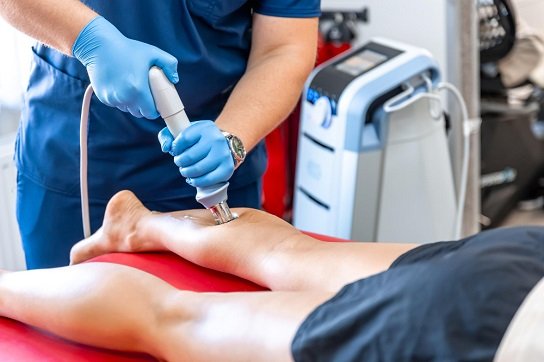
Shockwave therapy is a non-invasive treatment that uses high-energy sound waves to stimulate healing in affected tissues. The therapy can be applied in two main forms:

  • Extracorporeal Shockwave Therapy (ESWT): Delivers focused shockwaves directly to the affected area.
  • Radial Shockwave Therapy (RSWT): Uses radial waves that disperse over a broader area, ideal for superficial injuries.

Both methods work by promoting blood circulation, breaking down calcified deposits, and stimulating the body’s natural healing process.

Extracorporeal Shockwave Therapy for Achilles Tendinopathy

Extracorporeal shockwave therapy Achilles tendinopathy has emerged as an effective treatment for patients suffering from chronic Achilles tendon pain.

How It Works:

The focused shockwaves target the degenerated tendon tissue, stimulating healing and reducing pain. ESWT encourages collagen production, which strengthens the tendon over time.

Benefits:

  • Non-surgical approach with minimal downtime
  • Reduces inflammation and pain
  • Improves tendon elasticity and strength

Ideal Candidates:

  • Patients with chronic Achilles tendon pain unresponsive to physical therapy
  • Individuals looking to avoid surgery

Typical Procedure:

A session usually lasts 15-20 minutes, and most patients experience noticeable improvement after 3-5 sessions. Combining ESWT with stretching and strengthening exercises can enhance outcomes.

Radial Shockwave Therapy for Tennis Elbow

Radial shockwave therapy tennis elbow treatment is increasingly popular for managing lateral epicondylitis, a common overuse injury in athletes and manual workers.

How It Works:

Radial shockwaves penetrate the outer elbow, stimulating tissue repair and reducing inflammation. The therapy helps break down microtears in the tendon and promotes collagen regeneration.

Benefits:

  • Non-invasive and drug-free
  • Accelerates recovery for chronic cases
  • Reduces pain and improves grip strength

Treatment Plan:

Typically, 3-4 sessions are recommended, spaced a week apart. Some patients notice improvement after just one session, but full recovery often requires consistent therapy combined with ergonomic adjustments and physiotherapy.

Shockwave Therapy for Calcific Shoulder Tendinitis

Shockwave therapy calcific shoulder tendinitis is particularly effective for patients with calcium deposits in the shoulder tendons, a condition that can cause severe pain and limited mobility.

How It Works:

High-energy shockwaves break down calcium deposits and trigger the body’s natural healing response. The therapy also stimulates blood flow to the affected area, helping repair tendon tissue.

Benefits:

  • Reduces pain and stiffness
  • Avoids surgical removal of calcium deposits
  • Enhances shoulder mobility

Ideal Candidates:

Patients with persistent shoulder pain due to calcific tendinitis, especially when conservative treatments like anti-inflammatory medications or physical therapy have failed.

ESWT for Knee Osteoarthritis Benefits

Knee osteoarthritis can severely impact mobility and quality of life. ESWT knee osteoarthritis benefits include pain relief, improved function, and delayed need for surgery.

How It Works:

Shockwaves stimulate the repair of cartilage tissue, reduce inflammation, and promote joint lubrication. The therapy can also reduce stiffness, making daily movements easier.

Benefits:

  • Non-surgical pain management
  • Improves walking and bending capabilities
  • Enhances joint flexibility
  • Can be combined with exercise therapy for best results

Treatment Protocol:

Patients typically require 3-6 sessions spaced over several weeks. Many experience significant improvement after the first few sessions, with long-lasting effects when combined with lifestyle modifications and physiotherapy.

How Many ESWT Sessions for Heel Pain

Heel pain, often caused by plantar fasciitis, responds well to ESWT. But how many sessions are usually required?

Typical Recommendations:

  • Most patients need 3-5 sessions, spaced 1 week apart.
  • Each session lasts about 15 minutes.
  • Some patients may experience relief after the first session, but maximum benefit is usually seen after the complete course.

Benefits:

  • Reduces pain during walking and standing
  • Promotes healing of the plantar fascia
  • Non-invasive alternative to corticosteroid injections or surgery
  • Non-Surgical Shockwave Therapy for Bone Nonunion

Bone nonunion occurs when a fracture fails to heal properly. Non-surgical shockwave therapy for bone nonunion has emerged as an effective alternative to surgery in select cases. 

How It Works:

High-energy shockwaves stimulate bone regeneration by enhancing blood flow and promoting osteoblast activity. This encourages the body to repair the fracture naturally.

Benefits:

Avoids surgical intervention and associated risks

Shorter recovery period compared to surgery

Can be combined with immobilization or other orthopedic treatments

Treatment Course:

The number of sessions varies based on the severity and location of the nonunion, but most patients require 4-6 sessions over several weeks. Regular imaging is used to monitor progress and bone healing.

Also read :- How Many ESWT Sessions for Heel Pain.

Advantages of Shockwave Therapy

Across all applications, shockwave therapy offers several advantages:

  • Non-invasive with minimal side effects
  • Can treat chronic and stubborn conditions
  • Reduces the need for pain medications
  • Quick treatment sessions with minimal downtime
  • Promotes natural healing rather than masking symptoms

What to Expect During a Shockwave Therapy Session

Consultation: The specialist evaluates the condition and determines the appropriate type and intensity of shockwaves.

Preparation: The treatment area may be marked, and a gel is applied for better transmission of shockwaves.

Treatment: The device is applied to the affected area for 10-20 minutes. Patients may feel mild discomfort or tingling during the session.

Post-Treatment: Mild soreness or redness is normal. Most patients can resume normal activities immediately.

Is Shockwave Therapy Right for You?

Shockwave therapy is suitable for individuals with:

  • Chronic tendon pain (Achilles, elbow, shoulder)
  • Plantar fasciitis or heel pain
  • Osteoarthritis-related joint discomfort
  • Bone fractures struggling to heal

It is not recommended for patients with infections, tumors, or certain blood disorders. Always consult a specialist to determine suitability.

Shockwave therapy is transforming the way musculoskeletal conditions are treated. From extracorporeal shockwave therapy for Achilles tendinopathy to radial shockwave therapy for tennis elbow, and from calcific shoulder tendinitis to non-surgical management of bone nonunion, this treatment offers a safe, effective, and non-invasive solution for many patients.

With the proper course of therapy, patients can experience pain relief, improved mobility, and faster recovery without the risks and downtime associated with surgery. If you’re struggling with chronic pain or an injury, consult a specialist to see if shockwave therapy could be the solution you’ve been looking for.

Categories
Blog

10 Benefits of Visiting a Physiotherapist in Mulund West

10 Benefits of Visiting a Physiotherapist in Mulund West

In today’s fast-paced world, maintaining optimal physical health is paramount. Whether you’re recovering from an injury, managing chronic pain, or seeking to enhance your overall well-being, physiotherapy offers a holistic approach to health. For residents of Mulund West, accessing top-tier physiotherapy services has never been more convenient. Clinics like PhysioFitGuru are at the forefront, providing personalized care tailored to individual needs.

1. Personalized Treatment Plans

Every individual is unique, and so are their health concerns. A physiotherapist in Mulund West will assess your specific condition and craft a treatment plan that addresses your needs. This personalized approach ensures effective recovery and long-term health benefits.

2. Advanced Technological Integration

The best physiotherapist in Mulund West, such as those at PhysioFitGuru, leverage cutting-edge technologies like AI-driven diagnostics, virtual reality rehabilitation, and wearable devices. These tools enhance treatment accuracy and patient engagement, leading to faster recovery times. 

3. Comprehensive Pain Management

Chronic pain can significantly impact one’s quality of life. Physiotherapists employ various techniques, including manual therapy, electrotherapy, and exercise regimens, to alleviate pain and restore function. Residents seeking a physiotherapist in Mulund can benefit from these comprehensive pain management strategies.

4. Enhanced Mobility and Flexibility

Regular physiotherapy sessions can improve joint mobility and muscle flexibility. This is especially beneficial for the elderly or those recovering from surgeries. The best physiotherapist in Mulund West will guide patients through exercises that promote better movement and reduce stiffness.

5. Post-Surgical Rehabilitation

Recovering from surgery requires a structured rehabilitation program. Physiotherapists in Mulund West specialize in post-operative care, ensuring patients regain strength and functionality safely and efficiently.

6. Prevention of Future Injuries

Beyond treatment, physiotherapists educate patients on body mechanics and posture, reducing the risk of future injuries. By understanding movement patterns, individuals can make informed decisions about their physical activities.

7. Support for Neurological Conditions

Conditions like stroke, Parkinson’s disease, and multiple sclerosis benefit from specialized physiotherapy interventions. Clinics in Mulund West offer tailored programs to enhance motor skills, balance, and coordination for neurological patients.

8. Pediatric Physiotherapy

Children with developmental delays or physical challenges can benefit from pediatric physiotherapy. Therapists employ playful techniques to engage young patients, promoting growth and development.

9. Geriatric Care

Aging brings its set of physical challenges. Physiotherapists in Mulund West provide geriatric care focusing on improving balance, strength, and mobility, enabling seniors to lead independent lives.

10. Holistic Wellness Approach

Physiotherapy isn’t just about addressing injuries; it’s about promoting overall wellness. Regular sessions can boost mental health, enhance sleep quality, and improve cardiovascular health, contributing to a holistic sense of well-being.


Why Choose PhysioFitGuru in Mulund West?

PhysioFitGuru stands out as a premier physiotherapy clinic in Mulund West. Their team of experienced professionals is dedicated to providing personalized care, integrating the latest technologies, and ensuring patients achieve optimal health outcomes. Whether you’re searching for the best physiotherapist in Mulund or seeking comprehensive rehabilitation services, PhysioFitGuru is your trusted partner in health.

Categories
Blog

Organ Donation Day

Organ Donation Day: Doctor explains why India still lags behind in organ donation; myths we need to stop believing in

Organ donation can save eight to 10 lives through donating various organs including the heart, kidney, pancreas, lungs, liver, intestines, hands, faces, tissues, bone marrow, and stem cells. The lack of awareness among the public, medical professionals, and policymakers regarding the overall issue of organ donation is the biggest reason India falls behind in organ donation.

Organ failure has been one of the leading causes of morbidities, with many needy patients losing their lives because of the lack of organ availability. One organ donation drive can save eight to 10 lives, by donating hearts, kidneys, pancreas, lungs, livers, intestines, hands, faces, tissues, bone marrow and stem cells.

India has a huge population so technically there should be a huge number of organ donations and organ transplantation. “But if we compare it with the Western countries, our numbers are abysmally low,” explains Dr. Arvind Kumar, Chairman, Institute of Chest Surgery- Chest Onco Surgery and Lung Transplantation, Medanta, Gurugram.

“As of March 2023, over 100,000 patients wait for transplants, and approximately 17 die daily. Hesitations rooted in societal, religious, and cultural factors hinder donations,” explains Dr Aman Priya Khanna, Co-founder & Medical Director, HexaHealth, and General, Laser, Bariatric, and Minimal Access Surgeon.

In India, demand outpaces supply, with <1 donor per million people. Comparatively, the US and Spain exceed 40 donors per million. Living donor transplants are common, but deceased donors are underutilized. In 2019, 88% of kidney and 77% of liver transplants came from living donors. Just 1 in 100 potential donors contribute organs, Dr Khanna adds.

Why is India behind in organ donation?

“I think the biggest reason is lack of awareness amongst people, amongst medical professionals, and also amongst the policymakers regarding the overall issue of organ donation. This leads to a lot of people who are in a position to donate organs, not donating. So organs are going to waste in thousands,” Dr. Kumar explains.

Increasing awareness is needed

“What we need to do is to increase awareness about the donation from the dead, that is cadaveric donors, make more centers available and equipped to do it. And once we are able to harness this pool of dead donors, the number of organ transplants will automatically increase. So increasing awareness, increasing the availability of centers, equipping them with the manpower as well as infrastructure is the way to increase organ donation activity in India,” the doctor explains the link between awareness and availability.

How organ donation is encouraged in the West

How the western world did it was that their leaders, their celebrities — whether it is film industry people, sports persons, famous politicians, others in public life — they came forward and started talking about this issue at all available forums, and that generated an interest. Dr. Kumar explains.

The second thing which was done by a lot of countries in the west was to make this a part of the driving license process. “We were recently in Canada and we learned that if you apply for a driving license, you are also given a donor card. You’re supposed to go through that. There will be a counselor who will counsel you, give answers to your questions, and most of the people agree to donate and become a donor at the time when they get their driving license.”

“Some who say no, they are counseled second time, third time, fourth time, and most convert to saying yes. Few, who still say no, are told that in the event of you ever requiring an organ, you will be at the bottom of the waiting list, which means you’re not likely to get, which again acts as a jolt and converts them into donor, which means all those who are having a license are donors.”

Link organ donation to driver’s license in India

“Now this is one very solid way that we in India can link it to the driver’s license and increase,” Dr. Kumar recommends.

The second is by increasing awareness. We should talk about this in schools. We should make it a part of the medical curriculum. We should talk about it in our university education. We should talk about it in all our media etc. If this issue is talked about frequently by all the people, especially the celebrities, then awareness will increase. People will pledge their organs and we’ll have an increase in the donor pool side by side. Awareness will lead to the potential recipients going and registering themselves at approved centers and therefore you increase the donor pool, you increase the recipient pool and the activity increases automatically, Dr. Kumar adds.

“So organ donation is an activity which has a lot to do with cultural beliefs. A lot of people believe that if you take out organs from the human body, the body is incomplete and when you have an incomplete body being burnt or buried, somehow the soul keeps lingering there and you don’t get proper death, you don’t get salvation etc. It doesn’t complete the process of death and thereafter,” Dr. Kumar explains.

This is actually wrong because once you are dead, the organs are dead whether you are buried or cremated with your lungs, heart, kidney, liver inside or without them, adds Dr. Kumar. However, by donation, these organs can give life to 8 to 10 more people.

“Death is a very, very sad event. But if you donate your organs, you donate your heart, lungs, liver, kidneys, pancreas, intestines, bones and joints, skin, cornea and other heart valves etc., you have an opportunity to give life to at least 10 people and give tissues and therefore better quality of life to many more.”

“This is a way of reducing the pain of the death of your near one when you feel that yes, so and so has died but his organs are giving life to 10 people. His heart is beating somewhere, his lungs are working somewhere, liver, kidneys, two people are seeing the world because he or she donated. I think if we put it in this humanitarian aspect of organ donation, the acceptance will increase tremendously and that’s where I think we should focus on,” Dr. Kumar signs off.

The following organ donation process has been provided by AIIMS:

1. Organ Retrieval Banking Organisation (ORBO) coordinates the process of cadaver organ donation i.e. organ donation after death and transplantation.

2. There are two ways to donate organs: –

a) By pledging for organ donation when a person is alive

b) By consent of family after death.

3. During lifetime, a person can pledge for organ donation by filling up a donor form in the presence of two witnesses, one of whom shall be a near relative.

4. The organ donor form could be obtained from ORBO either personally or through mail. It could also be downloaded from our Website (www.orbo.org).

5. The donor form is absolutely free of cost.

6. As mentioned earlier, you need to fill up the donor form and get it signed by two witnesses one of whom shall be a near relative and send the same to ORBO.

7. After receiving the filled in form, ORBO provides the donor with an organ donor card bearing registration number on it.

8. It is suggested to keep the donor card in your pocket and share your decision with your near and dear ones.

9. If a person expires without registration, the family members can donate his/her organs. For this they need to sign a consent form, which is provided at that time.

10. Once, the relatives give a written consent, organs are harvested within a few hours.

11. The family of the donor does not face any difficulty or extra burden upon them.

13. The deceased body is given back to the family in a dignified way.

14. There is no disfigurement. The body can be viewed as in any case of death and funeral arrangements need not be delayed.

Categories
Blog

Squeeze a micro workout into your hectic workday

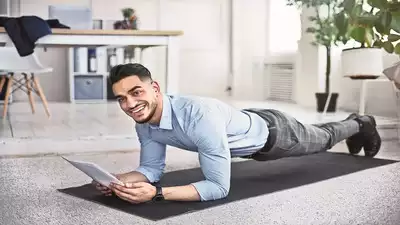
Work smarter, not harder has got a whole new meaning for those who always find themselves tailoring their schedules as per their work. Squeezing in micro workouts (short bursts of exercise) during the day is helping people stay active while also gradually increasing their overall strength output as compared to longer gym workouts. Research conducted by health experts also suggests that performing short workouts in intervals during the day can have many health benefits as compared to little to no activity. Here’s what this quick fitness trend is all about.

What are micro workouts?

Micro workouts are brief bursts of intense exercises that can be done in five-minute segments during the day. You can swap some chai breaks for a quick micro workout sesh or walk around while you attend a call. You could also do this before breakfast. A micro workout can be 20 push-ups followed by 10 squats and 30 seconds of jogging on the spot. This can be repeated twice.

Try these micro workouts:

Push-ups
Squats
Lunges
Jumping jacks
Jogging in place

Benefits of micro workouts:
Saves time
Improves cardiovascular and respiratory
Helps reset during busy workdays
Increases metabolism
Increases your weekly workout time

‘Micro workouts improve cardiovascular and respiratory health’
Research by health experts suggests that short workouts in intervals during the day can have many health benefits compared to little or no activity.

Categories
Blog

ITB Syndrome – A Review of the Evidence

A recent study aimed to explore the evidence surrounding ITB syndrome, in terms of pathology and management.

We reviewed this study in the latest issue of our Research Reviews – where industry experts break down the most recent and clinically relevant studies, for immediate application in the clinic.

What you’ll read below is a snippet from the review.

Categories
Blog

 Exercises for Bunion Treatment at Home

Bunion: it’s extremely common, it’s even genetic, but it’s not inevitable. In this article I’ll give you 9 bunion exercises you can perform everyday to strengthen your feet, improve your posture, and stave off that big-toe bump.

Physical therapy for bunions offers a three-pronged approach to a complex problem. In PT, we use exercises to strengthen the feet and ankles, manual mobilization to reduce stiffness in the joints, and massage techniques to encourage a wider range of motion in the toes. I’ve included some of these exercises below; all are easy to do at home on your own.