Physiofitguru

Categories
Blog

Why Spinal Decompression in Mulund Is Gaining Popularity in 2026

Spinal decompression therapy is a non-surgical form of treatment which relieves chronic back pain by stretching the spine using motorized traction therapy which puts less pressure on spinal discs and nerves. Spinal pain often affects the mental and physical well-being of an individual by interfering with mobility, worsening the pain, and lowering overall independence. Customers can experience difficulties with the most basic tasks such as sitting or standing, and it can lead to a decrease in physical activity and increased emotional discomfort. The resulting discomfort may lead to social isolation of people, medical expenses, and the family dynamics. Spinal decompression therapy tries to overcome these health, social, and financial problems so as to restore balance and quality of life to the affected people.

Spinal decompression therapy is a time-tested technique that is not invasive and has fewer risks and no recovery time. It aims at physical causes which it maintains directly as opposed to medicine which mainly suppresses symptoms. It is effective in most situations when combined with exercises or changes in lifestyle, which leads to a holistic approach to comprehensive treatment of the symptom in the long-term relief.

In Physiofitguru, we possess the robospine-100 system, a computer controlled robotic spinal decompression machine. Robospine-100 is used with FDA approved equipment and with proper screening.  When given by a trained professional it is normally regarded as safe. It provides a customized and graded traction force as it gets feedback of sensor activities in real-time, which adjusts to the anatomy of a patient. This makes it very specific and gives a degree of control and according to research, it yields better results compared to conventional traction or physiotherapy alone. Robospine- 100 is best when used on patients who have spinal pressure or compression that causes them persistent or chronic back pain. Robospine- 100 is widely used generally on patients who are in good health.

Mechanism of action:

Spinal decompression therapy causes the spine to stretch slowly, thereby creating negative pressure within the discs. This can assist in restoring the herniated material with the help of the nutrients and oxygen flow, thus promoting disc repair. The pain and spinal mobility are often reported to be reduced by patients who have gone through a course of 30 to 45 minutes treatments. The calibrated procedure ensures safety as at some point, observable improvements are realized as therapy progresses. This is an effective technique in the treatment of spinal problems because it alleviates pain, decreases inflammation and enhances the well being of the disc.

Science can use spinal decompression to treat individuals with:

  • Damaged or pathological spinal nerve roots (so-called radiculopathy)
  • Back or neck pain accompanied with an arm or leg complaint.
  • Degenerative disc disease
  • Bulging or slipped discs
  • Pinched nerves
  • Sciatica 
  • Stenosis

Effects of spinal decompression therapy:

  1. Reduces Nerve Pressure to move without pain – Nerve compression caused by protruding or rupture discs is reduced by decompression. It pulls back the discs and takes a load off the nerves around the discs as it extends the spine gradually and produces a negative pressure within the discs. Such debilitating symptoms as shooting pain, numbness, tingling, and weakness that can be further extended to other areas of the body, such as the arm or the leg, are directly treated through this procedure. It enhances the mobility, reduces the pain, and helps the long-term spine velocity by solving the cause of nerve pain.
  1. Increases healing – Spinal decompression enhances blood circulation and supplies of nutrients to damaged tissues to enable the body to heal itself. Increased circulation reduces inflammation and helps in healing of herniated or bulging discs enabling the spine to function efficiently.
  1. Prevents Spinal Surgery of Patients – In the case of many individuals who are initially recommended to have surgery, it is less invasive and less risky. They notice a great deal of pain and movement improvement in just a few sessions and thus they are able to manage their condition without surgery.
  1. Helps Retract Herniated Discs – It can work at softening to put back herniated or bulging discs in their proper positions. The method progressively develops a more stable backbone by eliminating the tension on neighboring nerves.
  1. Quick Relief Without The Risk of Surgery – Decompression means that a patient will be able to resume normalcy immediately as opposed to surgery which involves a long period of recovery and some effects. It is a preferable choice to individuals who have busy schedules and want to have effective pain control due to quick results and brief recovery.
  1. Enhances the Circulation of Fluid around the Spinal Disc – The Decompression of the spine is necessary to improve the circulation of fluid around the spinal discs that the spinal health and healing require. The therapy enhances movement of oxygen, nutrients and other body fluids into the injured or inflammatory regions by stretching the spine in a mild manner. This enhanced circulation will help in the reconstruction of tissues, inflammation, and restoration of discs functioning. The treatment of chronic back pain with the help of decompression can effectively prevent additional problems because with the help of better fluid movement in the spine, a person will be able to act more quickly in the long run.
  2. Manages A Multitude of Spinal related conditions

The research carried out observed that 86% of the patients undergoing the spinal decompression therapy after the rupture of the disc reported favourable to outstanding results. The nonsurgical spinal decompression therapy treatment is the only form of treatment that has been shown to achieve the negative pressure effect in the spine despite the fact that traditional chiropractic and physical therapy treatment methodologies may provide temporary relief. In one of the patients at Physiofitguru, all it took was to implement decompression to help the patient who was then struggling to perform his daily chores get back on his feet and be able to move around and climb the staircases.

The spinal decompression therapy may prevent this immediate response by lengthening the spine gradually over time and letting it become relaxed. These phases of activation and rest will cause muscle spasms or muscle guarding reaction and enable the spinal discs to spontaneously re-align without any stress or pressure. Spinal decompression therapy is a versatile method of treatment of various disorders of the spine that may assist in the elimination of pressure, pain, and discomfort.

Categories
Blog

Spinal Decompression Treatment in Mulund: A 2026 Guide to Non-Surgical Spine Care

Spinal decompression therapy is a non-surgical treatment that alleviates chronic back pain by gently stretching the spine to reduce pressure on spinal discs and nerves by using motorised traction therapy. Spinal pain frequently compromises both mental and physical health by impairing mobility, exacerbating pain, and decreasing general independence. Patients may have trouble with basic activities like sitting or standing, which can result in less physical activity and more emotional distress. People become socially isolated, medical costs are incurred, and family dynamics may be affected by the resulting discomfort. In order to restore balance and quality of life for those who are impacted, spinal decompression therapy attempts to address these health, social, and financial issues.

As a non-surgical option for invasive procedures, spinal decompression therapy is a tried-and-true method with lower risks and no recovery period. It targets physical causes, such as disc realignment, directly, in contrast to medicine, which primarily suppresses symptoms. For most cases, it works well in conjunction with exercises or lifestyle modifications, resulting in a well-rounded strategy for thorough symptom treatment for long-term relief. 

At Physiofitguru, we have the Robospine-100 system, a robotic, computer-controlled spinal decompression machine. Robospine-100 is employed with FDA-approved devices and proper screening.  It is generally considered safe when administered by a trained professional. It uses real-time sensor feedback to deliver a tailored, graduated traction force that adapts to a patient’s unique anatomy. This ensures precise targeting, a level of control that research suggests results in better outcomes than traditional traction or physiotherapy alone. Robospine- 100 is ideal for patients experiencing ongoing or chronic back pain from spinal pressure or compression. Robospine- 100 is generally recommended for most patients in otherwise good health.

Mechanism of action:

By gradually extending the spine, spinal decompression therapy produces negative pressure inside the discs. Enhancing the flow of nutrients and oxygen, this can aid in the retraction of herniated material and encourage disc repair. Patients frequently report less pain and more spinal mobility after a series of 30- to 45-minute treatments. As therapy advances, observable improvements eventually emerge, and the calibrated procedure guarantees safety. This method is useful for treating spinal issues since it reduces pain, reduces inflammation and improves disc health.

Spinal decompression therapy can be beneficial for people with:

  • Injured or diseased spinal nerve roots (called radiculopathy)
  • Back or neck pain with associated arm or leg symptoms
  • Degenerative disc disease
  • Bulging or slipped discs
  • Pinched nerves
  • Sciatica
  • Stenosis

Benefits of spinal decompression therapy:

1.    Reduces Nerve Pressure for Movement Without Pain- Nerve compression brought on by protruding or ruptured discs is lessened by decompression. It encourages the discs to retract and relieves strain on surrounding nerves by gradually extending the spine and creating negative pressure inside the discs. Debilitating symptoms, including shooting pain, numbness, tingling, and weakness that may spread to other parts of the body, such as the arms or legs, are directly addressed by this procedure. It improves movement, lessens discomfort, and supports long-term spine health by addressing the underlying cause of nerve pain.

2.    Supports healing- Spinal decompression improves blood flow and nutrient delivery to injured tissues, which helps the body recover. Better circulation lowers inflammation and aids in the healing of herniated or bulging discs, allowing the spine to work more efficiently.

3.    Prevents Spinal Surgery for Patients- For many individuals who are first advised to have surgery, this is a less invasive and safer alternative. They see significant pain and movement benefits after only a few sessions, which enables them to control their condition without the need for surgery.

4.    Helps Retract Herniated Discs- It has the capacity to gently realign bulging or herniated discs into their correct places. This technique gradually creates a more stable spine by releasing strain on surrounding nerves.

5.    Fast Relief Without The Risks of Surgery- Decompression enables patients to return to their regular activities right away, unlike surgery, which entails protracted recovery times and certain consequences. It is a desirable option for people with hectic schedules who desire efficient pain management because of its rapid outcomes and short recovery period.

6.    Promotes the Spine’s Fluid Circulation- Decompression enhances the flow of fluid around the spinal discs, which is essential for spinal health and repair. The treatment increases the passage of oxygen, nutrients, and vital fluids into injured or inflammatory areas by gently extending the spine. This improved circulation aids in tissue regeneration, inflammation reduction, and disc function restoration. Decompression is an efficient way to treat chronic back pain and avoid further issues since improved fluid movement in the spine promotes long-term healing over time.

7.    Treats A Range Of Spine-Related Conditions- According to research, 86% of patients who underwent spinal decompression therapy following a disc rupture reported favourable to outstanding outcomes. Only nonsurgical spinal decompression therapy has been demonstrated to produce negative pressure within the spine, despite the fact that conventional chiropractic and physical therapy treatments may offer momentary relief. At Physiofitguru, for one patient, decompression meant transitioning from struggling with daily tasks to regaining the ability to walk comfortably and climb stairs.

By gradually lengthening the spine and allowing it to relax over time, spinal decompression therapy can avoid this instant reaction. Muscle spasms or a muscle guarding response might be triggered by these activation and rest phases, which allow the spinal discs to realign spontaneously without stress or pressure. A flexible treatment option for a number of spinal disorders, spinal decompression therapy can help reduce pressure, pain, and discomfort.

Categories
Blog

Shockwave Therapy

What is Shockwave Therapy?

Radial Extracorporeal Shockwave Therapy (ESWT), also known as Shockwave therapy, is a modern, advanced treatment that employs acoustic shockwaves to break up soft tissue calcifications, increase collagen synthesis, release growth factors, and accelerate your body’s healing process, thereby improving chronic pain and allowing you to stay active. Chronic pain symptoms are often treated after 3-6 months of non-responsiveness to conservative treatments such as physiotherapy, activity modification, ice therapy, orthotics, opioids, andteroid injections. In our clinic at Physiofitguru, we use Shockwave therapy on many individuals in need of chronic pain treatment and a speedy recovery without needing surgical intervention.

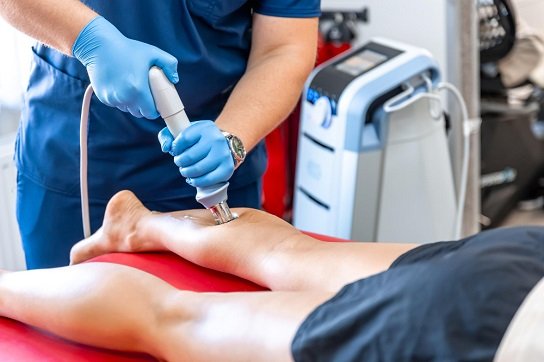
Shockwave therapy treatment may cause an inflammatory (healing) response in the tissue being treated. The body responds by increasing blood circulation and metabolism in the impact area, which speeds up the body’s natural healing processes. Shockwaves overstimulate nerves, lowering sensitivity and discomfort in chronic diseases. Compressed air propels a projectile up to 80 to 90 kph through a guiding tube, striking a metal applicator placed on the patient’s skin. The kinetic energy is transferred to a radial shock wave. The projectile causes stress waves in the applicator, which transmit pressure waves into tissue at a depth of 4 to 5 cm. Shockwave therapy works best when combined with a comprehensive rehabilitation treatment plan. 

Benefits of Shockwave Therapy: 

Pain relief: Shock wave therapy effectively relieves pain. The high-energy sound waves penetrate deep into the tissue, decreasing inflammation and alleviating pain quickly.

Blood circulation stimulation: 

Shock waves can increase circulation. This is very important for tissue healing and regeneration.

Healing: 

Shock wave therapy accelerates healing by enhancing the body’s regenerative capacity and metabolism, resulting in speedier repair of injured tissue.

Non-invasive treatment: 

Shock wave therapy is a mild alternative to invasive procedures. It does not require surgery, lowers the risk of complications, and shortens the recuperation period.

What is Shockwave Therapy used for?

Shockwave therapy is a non-surgical pain treatment that improves blood circulation and speeds up the recovery of chronic musculoskeletal disorders in bones, tendons, ligaments, and muscles. Shockwave therapy is now commonly used in physical therapy to treat a variety of painful conditions, such as:

Plantar fasciitis (heel pain), Greater Trochanteric Pain Syndrome (lateral hip pain) Tendinitis (Tendon Injuries): conditions like Achilles tendinitis, Patellar Tendinopathy (Jumpers Knee), Proximal hamstring tendinitis, Tennis Elbow (Lateral Epicondylitis), Calcific Shoulder Tendinopathy, and Rotator Cuff Tendinitis. Hamstring Injuries, Muscle and Ligament Strains  Shin Splints, Osteoarthritis in the knees, hips, or shoulders, Stress fracture

Fracture nonunion – a broken bone that hasn’t healed

Spasticity of spinal and supraspinal origin (stroke, brain injury, multiple sclerosis, cerebral palsy) Medial tibial stress syndrome: Myofascial triggers, IT band stiffness Erectile Dysfunction: Sexual dysfunction in males

How long does Shockwave Therapy take, and is it safe?

Shockwave therapy is FDA-approved, and numerous studies have demonstrated its safety and efficacy in treating a variety of conditions. Shockwave therapy is frequently delivered in a series of sessions arranged at weekly intervals by our qualified therapist at Physiofitguru. Most people notice some improvement after three to five treatments in our clinic, each lasting about 15 minutes, and recovery can take anywhere from a few days to a few weeks.

The number of sessions necessary varies depending on your body’s response to treatment and the severity of the problem. In some circumstances, shockwave therapy may be used in conjunction with other therapeutic techniques to improve efficacy. At Physiofitguru, we will create a treatment plan tailored to your unique requirements and track your progress during therapy.

We will make sure you are as comfortable as possible throughout your treatment. The treatment is non-invasive and includes passing mechanical shockwaves through the skin to the afflicted area using a hand-held probe. The shockwaves are not electrical, but rather low- energy sound waves that can be heard.

At Physiofitguru, most people feel some pain or discomfort during the procedure, but it subsides immediately after the session. You will be asked how much pain you are feeling during the treatment, and we will try to adapt the treatment to help manage it. You should be able to resume your normal activities after the Shockwave therapy sessions. Shockwaves can simulate the forces felt after trauma, promoting tissue and bone regrowth and healing by boosting blood circulation and metabolism.

Conclusion


At Physiofitguru in Mulund, Mumbai, we have freed a lot of individuals from chronic pain by helping them rediscover life without discomfort again by providing them with a non-surgical approach. A bridge between the limitations of conventional physiotherapy treatments and the last resort of having surgery using the innovative Shockwave to dampen pain.

Categories
Blog

The use of Repetitive peripheral magnetic stimulation (rPMS) in Stress and Urge Urinary Incontinence

Urinary incontinence, which is the leakage of urine that occurs without intent, is a problem that afflicts millions of men and women in the world. They are the stress urinary incontinence (SUI) and the urge urinary incontinence (UUI). Stress incontinence occurs when the bladder is pressurised by coughing, laughing, and exercising. Urge incontinence has sudden and severeurges to urinate which cannot be easily suppressed. Although pelvic floor exercises have been suggested, they are not always practised properly and regularly by all. Repetitive peripheral magnetic stimulation (rPMS) has come in as a non-invasive treatment option that is evidence-based.

What is rPMS?

rPMS involves the rapid pulsations of magnetic fields to excite the nerves and muscles of the pelvic floor. Treatment is done using a special chair or applicator. The patient is fully clothed and just sits comfortably in the session. The magnetic pulses go through the clothing and tissue without any pain and cause the pelvic floor muscles to contract like it was hundreds or even thousands of Kegel exercises in a single session. rPMS does not involve internal probes or direct skin contact, so rPMS can be more comfortable, and more people can use it.

Clinical effect of rPMS:

The magnetic field penetrates the skin’s outer layer, subcutaneous fat, and bone with ease, reaching a depth of at least 10 cm. It regulates the blood flow to nearby tissues and other components to provide stimulation, which improves blood circulation and speeds up the healing process for injured tissues and nerves.

There is a reduction of pain, swelling, improvement of motion, and consequently of the quality of life, frequently following a single application and lasting for several weeks.

Use of rPMS in Stress Urinary Incontinence:

Weak pelvic floor muscles are the main cause of stress urinary incontinence. Leakage may also come about as a result of physical activity when these muscles are failing to support the bladder and urethra, which is not strong enough.

Several studies have demonstrated that pelvic floor muscles can be strengthened with the help of magnetic stimulation, and bladder control can also be enhanced. Evidence shows that women who suffered stress incontinence and underwent a series of magnetic stimulation

Treatment courses reported:

  • Major decrease in the leakage episodes.
  • Strengthening of the pelvic floor muscles.
  • Increase in quality of life scores.
  • Reduced need for pads

The improvement rates are typically between 50 and 75 per cent following a standard course of treatment (usually 6-8 sessions over a few weeks). Studies also indicate that the improvements in the results persist in weeks following the treatment, which may indicate that muscle strengthening persists even after the stimulation sessions.

Importantly, rPMS comes in particularly handy with patients who have difficulty learning how to do the Kegel exercises properly. Studies have revealed that most persons when attempting to do pelvic floor exercises without supervision, fail to activate the right muscles. rPMS eliminates this obstacle because it automatically stimulates the right muscles.

Use of rPMS in Urge Urinary Incontinence:

Urge urinary incontinence is commonly associated with overactive bladder in which bladder muscles over contract and/or overcontract. This disease is not just affected by weakness of muscles but also by nerve communications between the brain and the bladder. rPMS works differently here. It not only makes muscles stronger, but also contributes to the control of nerve pathways in the process of bladder control. By means of magnetic stimulation, it is possible to relax agitated signals of the bladder by altering the activity of the sacral nerves –

The nerves that regulate urine flow. Patients with urge incontinence or overactive bladder who use rPMS have been shown to experience:

  • Less frequent urgency events per day.
  • Limitations in the frequency of urination at night (nocturia).
  • Reduction in the number of urinations.
  • Improved bladder capacity 

A lot of patients state that they experience significant improvement in their symptoms following 6-10 sessions. rPMS has a high safety profile. There are mild and mild to severe side effects that are reported to be limited and resolve with time.

Due to its non-Invasiveness and the absence of drugs do not cause any of the side effects of medications, including dry mouth, constipation, or blurred vision.

rPMS has a number of evidence-based advantages over conventional forms of treatment:

  • Non-invasive: There is no need for surgery, needles, or internal devices.
  • No postponement: Patients are allowed to resume daily operations.
  • High compliance: Patients tend to follow the course more because of the passive
  • nature of the treatment that is comfortable.
  • Medication-free: Does not have a systemic side effect.

Although surgery is effective for stress incontinence, it is risky and time-consuming. Urge incontinence medications are effective, but usually have tolerance problems. rPMS offers a compromise, effective, low-risk, and convenient.

Conclusion

At Physiofitguru, we use the Salus Talent Pro to treat urinary incontinence. This is a type of medical appliance that offers high-intensity repetitive magnetic stimulation, that is specifically offered to assist in pelvic floor rehabilitation. The Talent Pro Salus enables the practitioner to change the intensity of stimulation and the treatment programs based on the stress or urge incontinence condition of the patient. It is normally administered on a treatment chair, which allows the patients to sit freely, and they can be fully clothed during therapy. It is typically carried out as a series of sessions over several weeks. The aim is to reinstate compromised muscles of the pelvis in stress incontinence or to modulate nerve impulses in urge incontinence. It is non-invasive and well tolerated, making it offerable within our clinic at Physiofitguru without anesthesia and without recovery time.

Today, a non-invasive method of treatment of stress and urge urinary incontinence is

repetitive peripheral magnetic stimulation. It has been proven that there is a significant

increase in the number of leakage episodes, urgency, bladder control, and quality of life.

Using rPMS improves pelvic floor muscle strength and the nervous system to treat both

mechanical and neurological incontinence. rPMS is a clinically supported and more and

more accessible option to those who require a safe and comfortable alternative to surgery or lifelong medication. It is increasingly becoming a relevant aspect of contemporary pelvic floor therapy.

Categories
Blog

How rPMS can be used in Pelvic Floor Rehabilitation

Repetitive Peripheral Magnetic Stimulation, also known as rPMS, is a non-invasive A form of therapy that involves the use of pulsating magnetic fields to stimulate nerves and muscles, but does not use needles or surgery. Within the framework of pelvic floor rehabilitation, rPMS is becoming popular as a non-invasive, evidence-based intervention to individuals experiencing incontinence, chronic pelvic pain, weak pelvic muscles or postnatal or post-surgical dysfunction.The underlying mechanism of rPMS is that it creates a varying magnetic field, which travels freely through the clothing and body tissues, penetrating the nerves and deep muscles in the pelvic region. These magnetic pulses cause electrical impulses to flow through nerve fibers, and as a result, this makes the pelvic floor muscles contract and relax in a series of movements. This is like a thousand pelvic floor Exercises without the effort of the individual under treatment through repeated activation

Benefits of rPMS on the pelvic floor:

  • Less difficult to control and reduce the number of leakages.
  • Reduced chronic pelvic pain. Increased consciousness and muscle
  • participation in the pelvis.
  • Activates deep muscle and nerve tissue without direct contact or discomfort
  • Making it easier and more comfortable to use
  • Better quality of life, such as the ability to be confident in day-to-day activities.

Clinical Effect:

Trains Weak Muscles. When the muscles are contracted intensively and regularly, they develop with time to be stronger and more coordinated. This comes in handy, particularly to individuals whose pelvic floor muscles are weak, such that they cannot stimulate their muscles effectively on their own. Enhances Nerve Control and Function by enhancing the mode of communication between the brain and muscles, which is essential in the control of the bladder and stability of the pelvis by stimulating the nerves that regulate the pelvic-floor muscles. Since this stimulation is deep and non-contact, it can access portions of the The pelvic floor that would otherwise be difficult to treat using traditional physiotherapy.

What is it used for:

1. Pelvic Muscle Strength and Incontinence- 

Magnetic stimulation is capable of improving muscle activity and urinary symptoms in Stress Urinary Incontinence infemale patients. It contributes to an increase in muscle strength and a decrease in leakage without any serious safety issues. Chair-based magnetic pelvic stimulation showed significant improvement in urinary symptoms and quality of life among incontinent women.

2. Backed by Science-

Magnetic stimulation leads to supramaximal contractionswhich are extremely powerful, repeated contractions of the muscle that cannot be attained through voluntary exercise alone. These strong contractions may ignite quick adaptations of the muscle tissue and nerve routes, which form the basis of pelvic floor functioning.

3. Pelvic Conditions- 

It helps certain conditions, such as chronic pelvic pain and bladder overactivity, although in most cases, magnetic stimulation is used together with other treatments.

At Physiofitguru, we use Salus Talent Pro rPMS that delivers high-intensity pulsed magnetic stimulation. It produces up to 3 Tesla of magnetic fields, much stronger than conventional magnets, which enables the energy flow to deep muscles and nerves in the region of the body (pelvic area) through clothing. The technical processof these magnetic pulses is to generate electrical currents within the body that cause supramaximal muscle contractions: involuntary and strong activations of the pelvicfloor that can make the pelvic floor work harder in the short term than most voluntary exercises can. 

The effects of a single short session of 20 minutes of these contractions can be many thousands of these contractions, and they assist in improving the strength and muscle coordination as well as the circulation and the responsiveness of the nerves without straining the joints or the skin.
Salus Talent Pro has demonstrated considerable pain, dysuria (painful urination), and pelvic symptoms, reductions, and benefits in the quality of life.

Repetitive Peripheral Magnetic Stimulation is a promising instrument to be used in the rehabilitation of the pelvic floor. It is used to supplement traditional therapies, assist in the enhancement of strength and functionality, and improve the quality of life of individuals with various forms of pelvic floor dysfunction because it accesses deep muscles and nerves without being invasive. It has helped a great number of people when they are guided by the trained Physiotherapists.

Categories
Blog

Benefits of Choosing Radial Shockwave Treatment in Mulund for Faster Recovery

What is Shockwave Therapy?

Radial Extracorporeal Shockwave Therapy (ESWT), also known as Shockwave therapy, is a modern advanced treatment that employs acoustic shockwaves to break up soft tissue calcifications, increase collagen synthesis, release growth factors, and accelerate your body’s healing process, thereby improving chronic pain and allowing you to stay active. Chronic pain symptoms are often treated after 3-6 months of non-responsiveness to conservative treatments such physiotherapy, activity modification, ice therapy, orthotics, opioids, and steroid injections. In our clinic at Physiofitguru, we use Shockwave Pro 1000 on many individuals in need of chronic pain treatment and a speedy recovery without needing surgical operation.

Shockwave therapy treatment may cause an inflammatory (healing) response in the tissue being treated. The body responds by increasing blood circulation and metabolism in the impact area, which speeds up the body’s natural healing processes. Shockwaves overstimulate nerves, lowering sensitivity and discomfort in chronic diseases. Compressed air propels a projectile up to 80 to 90 kph through a guiding tube, striking a metal applicator placed on the patient’s skin. The kinetic energy is transferred to a radial shock wave. The projectile causes stress waves in the applicator, which transmit pressure waves into tissue at a depth of 4 to 5 cm. Shockwave therapy works best when combined with a comprehensive rehabilitation treatment plan.

Benefits of Shockwave Therapy:

  • Pain relief: Shock wave therapy effectively relieves pain. The high-energy sound waves penetrate deep into the tissue, decreasing inflammation and alleviating pain quickly.
  • Blood circulation stimulation: Shock waves can increase circulation. This is very important for tissue healing and regeneration.
  • Healing: Shock wave therapy accelerates healing by enhancing the body’s regenerative capacity and metabolism, resulting in speedier repair of injured tissue.
  • Non-invasive treatment: Shock wave therapy is a mild alternative to invasive procedures. It does not require surgery, lowers the risk of complications, and shortens the recuperation period.

What is Shockwave Therapy used for?

Shockwave therapy is a non-surgical pain treatment which improves blood circulation and speeds up the recovery of chronic musculoskeletal disorders in bones, tendons, ligaments, and muscle. Shockwave therapy is now commonly used in physical therapy to treat a variety of painful conditions such as:

·   Plantar fasciitis (heel pain)

·   Greater Trochanteric Pain Syndrome (lateral hip pain)

·   Tendinitis (Tendon Injuries): conditions like Achilles tendinitis, Patellar Tendinopathy (Jumper’s Knee), Proximal hamstring tendinitis, Tennis Elbow (Lateral Epicondylitis),

Calcific Shoulder Tendinopathy and Rotator cuff tendinitis

·   Hamstring Injuries

·   Muscle and Ligament Strains

·   Shin Splints

·   Osteoarthritis in the knees, hips, or shoulders

·   Stress fracture

·   Fracture nonunion – a broken bone that hasn’t healed

·   Spasticity of spinal and supraspinal origin (stroke, brain injury, multiple sclerosis, cerebral palsy)

·   Medial tibial stress syndrome

·   Myofascial triggers

·   IT band stiffness

How long does Shockwave Therapy take and is it safe?

Shockwave therapy is FDA-approved, and numerous studies have demonstrated its safety and efficacy in treating a variety of conditions. Shockwave therapy is frequently delivered in a series of sessions arranged at weekly intervals by our qualified therapist at Physiofitguru. Most people notice some improvement after three to five treatments in our clinic, each lasting about 15 minutes, and recovery can take anywhere from a few days to a few weeks. The number of sessions necessary varies depending on your body’s response to treatment and the severity of the problem. In some circumstances, shockwave therapy may be used in conjunction with other therapeutic techniques to improve efficacy. At Physiofitguru, we will create a treatment plan tailored to your unique requirements and track your progress during therapy.

We will make sure you are as comfortable as possible throughout your treatment. The treatment is non-invasive and includes passing mechanical shockwaves through the skin to the afflicted area using a hand-held probe. The shockwaves are not electrical, but rather low-energy sound waves that can be heard.


At Physiofitguru, most people feel some pain or discomfort during the procedure but it subsides immediately after the session. You will be asked how much pain you are feeling during the treatment, and we will try to adapt the treatment to help manage it. You should be able to resume your normal activities after the Shockwave therapy sessions. Shockwaves can simulate the forces felt after trauma, promoting tissue and bone regrowth and healing by boosting blood circulation and metabolism.

Also visit :- Shockwave therapy in Mulund

Absolute contraindications or situations in which Shockwave Therapy may be inappropriate include:

·   Cardiac pacemaker or another cardiac device

·   Unstable heart condition

·   Treatment over air-filled tissue (lung, gut)

·   Pregnancy

·   Cancer

·   Presence of local tumor or infection

·   Less than six weeks since local corticosteroid injection

·   Age less than 18 (except for patients diagnosed with Osgood-Schlatter disease)

·   Treatment of pre-ruptured tendons

·   Blood-clotting disorders, including local thrombosis

At Physiofitguru in Mulund, Mumbai we have freed a lot of individuals from chronic pain by helping them rediscover life without discomfort again by providing them with a non-surgical bridge between the limitation of conventional physiotherapy treatments and the last resort of having a surgery by using the innovative Shockwave Pro 1000 to dampen pain.

Categories
Blog

How a Slipped Disc Specialist in Mumbai Can Help You Overcome Chronic Back Pain

Back pain is a long term illness that is tormenting millions of individuals in the world, in Mumbai, backache has been a way of life due to a lack of physical exercise, sitting and high levels of lifting and poor back posture. One of the biggest causes of chronic back pain is a slipped disc, or herniated disc or prolapsed disc. Fortunately, a slipped disc specialist in Mumbai would see you through with some beneficial interventions to have you back on your feet and live a pain-free life.

Understanding Slipped Disc and Its Symptoms

With a slipped disc, the inner, gel-like substance of a spinal disc roots its way through a rationale in the outermost layer. It may cause irritation and discomfort in the proximity of the nerves resulting in pain, numbness or weakness in the back, legs or arms. Common symptoms include:

  • Persistent lower back pain
  • Pain radiating to the legs (sciatica)
  • Tingling or numbness in extremities
  • Reduced flexibility and difficulty bending
  • Weakness in legs or arms

A slipped disc may trigger persistent pain and unhallowed movement as well as complications over a long period of time unless treated.

Why You Need a Slipped Disc Specialist in Mumbai

Although general doctors may alleviate the situation temporarily, a specialised physiotherapist in Mumbai, such as Dr Ajay Physio, will be the one who targets the cause of the problem in your back. This is because a slipped disc specialist integrates knowledge in the field of spinal anatomy, rehabilitation exercises and the latest physiotherapy to safely and effectively relieve the pain.

Here’s how a specialist can help:

1. Personalised Assessment

The situation of every patient is different. Dr Ajay is the best physiotherapist in Mumbai who is involved in a meticulous evaluation process that involves checking of postures, the range of motions, and taking imagery reports to formulate a tailor-made treatment plan.

2. Pain Management

A physiotherapy clinic in Mumbai, like that of Dr Ajay will provide methods of spinal decompression, electrotherapy and manual therapy as some of the techniques to relieve the pain without necessarily using surgery and prescription drugs.

3. Strengthening and Rehabilitation

It is necessary to strengthen the core muscles in order to avoid additional slippage of the disc. An expert offers specific exercises in order to enhance support of the spinal column and general flexibility.

4. Posture Correction and Lifestyle Guidance

Low back pain is usually brought about by bad posture. A physiotherapist helps you to maintain the right ergonomics at work place, at home and during exercise.

5. Minimally Invasive Therapies

The new spinal decompression and traction used in advanced clinics will decrease the nerve pressure and allow the disc to heal itself.

Choosing the Right Physiotherapist for a Slipped Disc

All physiotherapists may possess the experience to deal with the spinal disc problem. This is the reason Dr Ajay Physio is ranked amongst the best physiotherapists in Mumbai:

  • Numerous years of even chronic back pain and spinal disorder management.
  • Spinal decompression experience and rehabilitation experience.
  • Individualized care plans focused on the needs of a patient.
  • State-of-the-art physiotherapy clinic in Mumbai.

With the aid of an appropriate specialist, it will be possible to eliminate unnecessary interventions and guarantee a safe recovery

Also visit :- Back pain treatment Mulund

Home Care and Lifestyle Adjustments

  • Even after consulting a slipped disc specialist in Mulund home care is essential:
  • Sit or stand in an upright manner.
  • The movements should not be heavy and sudden.
  • Perform exercises of low intensity, such as walking and swimming.
  • Sit on ergonomic chairs/ mattresses.

When to Seek Immediate Help

Seek urgent medical attention if you experience:

  • Extreme weakness of legs or numbness.
  • Bladder losing or bowel losing control.
  • Sudden increase in back pain

Complications can be avoided, and healing can be faster by visiting a physiotherapy clinic in Mumbai at the right time.

Final Thoughts

Back pain (stemming from a slipped disc) is not something chronic that needs to dominate your life. A slipped disc specialist in Mulund, such as Dr Ajay Physio will provide a specialist examination, effective injection to have lasting relief. You can walk again, live without pain through some personalised physiotherapy as well as lifestyle consultation, combined with sophisticated spinal treatment.

In case you need the best physiotherapist in Mumbai, you have to visit a professional physiotherapy clinic in Mumbai today in order to initiate your process of recovery.

Categories
Blog

How to Choose the Best Spinal Decompression Therapy in Mumbai – A Complete Guide

Back pain is among the primary health concerns to Mumbai, particularly for persons with herniated discs, chronic tia sciatica, or even back issues. Spinal decompression is a non-invasive therapy that is very effective, relieves compressions of nerves and facilitates natural healing processes. The process of choosing the most favourable option of spinal decompression in Mumbai requires researching the available variants and consultation with a professional.

What is Spinal Decompression Therapy?

Spinal decompression therapy is a type of physiotherapeutic therapy which is meant to decompress the pressure in the spinal discs. The treatment through progressive traction methods mildly stretches the spine, establishing negative pressure in the discs. This assists in retracting herniated disc contents, enhancing nutrient exchange and securing nerve irritation.

Benefits of spinal decompression include:

  • Relief from chronic back and neck pain
  • Reduction in sciatica and leg pain
  • Improved flexibility and spinal health
  • Drug-free non-surgical intervention.

Why Choose a Specialist Physiotherapist in Mumbai?

Most clinics provide spinal decompression, but it is imperative to find a qualified physiotherapist in Mumbai. A specialist like Dr Ajay Physio ensures:

1. Accurate Diagnosis

All the patients are evaluated with the help of a comprehensive examination, MRI, posture analysis, and physical examination to detect the aetiology of pain.

2. Customised Treatment Plan

Dr Ajay is the best physiotherapist in Mumbai who develops a program which is personalised with the incorporation of decompression therapy and core strengthening exercises, along with posture corrections.

3. Monitoring and Safety

High-level spinal treatments are treatments that are under the guidance of experts. A registered physiotherapist oversees improvements and changes the therapy to minimize the risk of safe recovery.

Also visit :- Spinal decompression treatment in Mulund

How to Identify the Best Spinal Decompression Therapy in Mumbai

1. Check Credentials

Find the physiotherapists who have specialised in spinal disorders. Dr Ajay Physio has years in the management of herniated disks and chronic back pain.

2. Evaluate Equipment

The use of high-quality traction tables and rehabilitation equipment are necessary in modern spinal decompression. A well-to-do physiotherapy clinic in Mumbai has state of the art facilities.

3. Read Patient Reviews

The experience of other patients creates a background on what the therapeutic experience is like.

4. Ask About Holistic Care

The most excellent clinics have complementary exercises, lifestyle tips and home care plans as well as decompression therapy.

The Advantages of Selecting the Right Clinic.

By selecting a specialist physiotherapy clinic in Mumbai, one will guarantee:

  • Clinical knowledge of chronic back pain.
  • Combined therapy, education and exercise.
  • Reduction of recovery time and surgery.
  • Availability of hi-tech spinal decompression.

Dr Ajay Physio has been recognised as one of the best physiotherapists in Mumbai, who provides comprehensive care for patients with disc issues and chronic back pain.

Home Care During Therapy

While spinal decompression therapy provides relief, proper home care accelerates results:

  • Always sit properly at work and at home.
  • One should not do heavy lifting or twist abruptly.
  • Exercise in accordance with instructions to tighten the muscles of the core.
  • Use ergonomic chairs and supportive mattresses

When Spinal Decompression Therapy is Recommended

You should consider spinal decompression if you experience:

Persistent lower back or neck pain

Pain radiating to legs or arms

Numbness, tingling, or weakness

Herniated or bulging discs diagnosed by imaging

A physiotherapist in Mulund such as Dr Ajay should be consulted so that spinal decompression is fitting in your case.

Final Thoughts

Addressing the issue of selecting the most suitable spinal decompression therapy in Mulund is essential to the safe and efficient as well as long-term remedy of chronic pains in the spinal area. You can enjoy the benefits of individual care, access to modern equipment, and the holistic treatment approach when you visit a qualified physiotherapist in Mumbai.

When you are looking at the best physiotherapist Mumbai, when you pay a visit to a well-known physiotherapy clinic at Mumbai, you will find it is worth living. Spinal decompression therapy provides an avenue of recovery, alleviation of pain, and enhancement of a good quality of life without any surgical intervention or intrusive procedure.

Categories
Blog

How Modern Laser Therapy Speeds Up Ulcer Recovery

What is a scanning laser treatment of ulcers?

Scanning laser therapy is also a modern process applied to stubborn,deep or non-healing ULCER.Scaning laser stimulates cellular repair and also increase blood circulation,infection threat and tissue regeneration in cases of Diabetic Ulcers,Pressure sores,bedsores, and venous ulcers.

What is the role of laser therapy in the healing of non-healing ulcers?

Non-healing ulcers tend to heal poorly because of inadequate blood flow,infection or nerve damage.Laser therapy assists in offering photobiomodulation, a process whereby light energy triggers cellular repair processes.Laser therapy improves oxygen delivery,improves microcirculation and expands healthy issues.Laser therapy also reduces swelling,bacterial growth as well as alleviating pains around the ulcers.

Patients whose ulcers have never healed despite months of treatment tend to notice an apparent improvement in the course of the few sessions.

Is laser treatment safe in diabetic ulcer?

Yes,Scanning laser therapy can be used safely and with great effectiveness on diabetic ulcers.As diabetic patients have a tendency to decrease blood flow to the area and slow down the healing process,laser therapy offers a non-invasive method of tissue paper stimulation.It does not involve heat,cutting or chemicals and therefore may be done on sensitive skin.laser therapy will lower the risk of infection and decrease the likelihood of developing ulcer-related complications.

Among the last forms of treatment that any type of physiotherapy can employ is laser, laser is the amplification, stimulated, emission, radiation, the laser beam is generated when the atom of some element is excited by electromagnetic radiation, a resultant effect generate electromagnetic radiation of a specific wavelength themselves. The uniformity of wavelength of the laser is also one of the properties of a laser beam with slight divergence of the laser beam. A lithium neon laser, producing a red light beam of 630 nanometer and an infrared laser of 904 nanometer may be combined in treatment unit. This mixture enables the infrared component of the beam to exude relatively deep down into the tissue with minimal primitive appearance out of top layer of the skin. The useful depth of infrared laser penetration would be 30 MM, which is significantly deeper than that of an infra red of a traditional lamp. Other units only emit the infrared laser and are subjected to the skin. Mid level, this is the one that is applied on the physiotherapy and the depth of penetration is not so deep to cause a biological effect on deeper tissue but not dampen them. Other forms of mid level laser exist though they all employ similar principles. Direct contact of the patient with subunits is provided and the others with a distance, the output of a unit can occasionally be adjusted at a unit offer a purse output can also change the frequency and the pulse. Some machines can be set on the length of application. When a laser beam is introduced into the patient, the procedure must be in a way that the beam strikes, the skin of the patient has to form a right angle, and the impedance angle is zero. Any other angle lowers the depth of the penetration of the laser beam. The beam is bent a little because it is emitted divergently so that it can radiate a slightly larger area. The handheld applicator of lasers is one form of a laser. The therapist places it on the skin at the centre of a lesion and therefore has to make a right angle with the skin, and the beam has a direct entry point into the patient. This type of application was necessary to several points, each of which is given a maximum of five minutes of treatment, has a safety measure and the unit required the therapist to make a contact with a finger sensitive switch near the end of the treatment head. This permits local instant on and off control and eliminates the need of the movement of the treatment head in space when the unit is emitting infrared rate. The laser beam of infrared is not visible to the eye and thus to measure the performance of an infrared sensor is installed in the machine. The applicator is positioned at right angles to the skin of the patient and on the fleshy area, pushing it to the tissue has the ability to influence the depth of penetration. This is a very small power value hence no thermal effect will occur and the patient will not experience any sensation, the threat of damaging the patient tissue will be minimal and the likelihood of the unit becoming very popular. The other units are placed on a mobile stand and the position of the laser emitted is approximately 30 cm above the patient.. There is another form of mid-laser products called a visible beam on top of the two infrared beams which are positioned to scan horizontally. Effect of mid-laser. The laser treatment effect claim, decrease of pain, quickening of healing, always, due to the laser of this side might play a valuable role in the treatment of painfully, soft tissue wounds, but the significance of correct evaluation and diagnosis in terms of locating where the laser would be applied is broad. General rule with regards to the application, due to the nature of the laser involved, a lot of care is taken to prevent causing damages to the eye, the patient and the therapist since the powerful electromagnetic energy can be concentrated on the retina through the lens of the eye. There are several precaution measures which must be observed, either by the therapist and patient using a worldly room, or by wearing to a guarded class, to avoid reflective surfaces, whether B, mirror, polish, floor, chrome, plating, . This is a minor issue with the acclimation of the static electric charge by the therapy with the handheld unit. Some patients do not undergo the laser examination, epileptic, artic, patient, patient with the pacemaker not treated in the chest,skin, infection, where retained contact with the patient head should be sterilised with a suitable, after being applied on an infected skin. This is just a short discussion of one of the very limited types of treatments that the therapist can consider applying. There is currently minimal independent and comparative BCW, the laser of the form of treatment. Even the dosage applications are now, those by the manufacturer of the apparatus. Being more widely distributed, however, guaranteed them the assistance of their value treatment parameter within which they are to be operated in years to come. There is a possibility that the laser treatment would be a major treatment of many of the muscular skater issues observed by therapists.

Who is the best physiotherapist in Mulund west?

Physiofitguru is by all means the best physiotherapy clinic in Mulund west,Dr.Ajay Yadav is a highly skilled,patient and dedicated physiotherapist whose approach to treating the patient is effective,professional and result-oriented hence it makes a lot of difference to treating patients.

The secret of Dr.Ajay Yadav is dedication and patience:he does not hurry with the session,but insists on doing everything correctly and safely-all the exercises, all the mobilisation and all the therapy methods used on the patients are reflected in his effectiveness and success in the result.

The clinic is clean, modern and well furnished with high technology physiotherapy equipment Dr.ajay Yadav became a trusted physician to thousands of patients.He is actually one of the best and most dependable physiotherapists in Mulund west.

Categories
Blog

Back Pain Relief Made Simple: What Causes It and How Physiotherapy Helps

Back pain is among the most common concerns of the health issue of people across the world irrespective of Age, Occupation or lifestyle that affects daily activities. Nonetheless, it is very manageable or treated when treated well.

Education, early intervention, good posture and good back muscle can go a long way in reducing the occurrence and severity of back pain. Long sitting is the common cause of back pain particularly among individuals who sit at a desk or use a computer or laptop throughout the day.The back pain is usually brought about by stiffness of the spine, which is chronic unless it is treated promptly.There are occasions whereby the back pain is brought about by the weak core muscles. 

What are the causes of chronic back pain in adults?

  •  Muscle or ligament strain
  •  Degenerative Disc Disease
  •  Bulging disc
  •  Arthritis
  •  Sciatica
  •  Sacroiliac point
  •  Osteoporosis
  •  Sedentary lifestyle
  •  Obesity
  •  Stress & tension
  •  Injuries

The non-surgical methods of treating the back pain are very effective particularly where the back pain is the chronic ones in adults because of long sitting hours, the weak muscle, stress or age related change in the spine. Non-surgical back pain solutions are best because they are safe, cheap and offer long term relief by using guided and trained rehabilitation methods, many adults[u1] would favour Non-surgical back pain solutions. Non-surgical back pain treatment is preferable to individuals who are focused on achieving a speedy treatment that would be achieved by Robotic spine, manual therapy, Acoustic therapy, targeted exercises, rather than surgery. Back pain non-surgical therapy, in particular, physiotherapy can offer long-term or even permanent helps in case of regular exercise and lifestyle modification. Nonsurgical pain treatment of the back problem decreases the stiffness and advances everyday movements. Those back pain treatments, which are non-surgical, provide pain relief with no injections and surgery. Non surgical interventions in the treatment of back pain are effective among office employees who spend a lot of time sitting.

What shall I do to know whether my pain is Muscular or Spinal?

The knowledge of the case of muscular or spinal pain assists in the selection of the right treatment. Muscular back pain is usually characterized by soreness, tightness or dull ache. Pain on the muscles is normally a result of strain,poor posture.

The pain of the spine is less acute and in most cases is accompanied by nerve symptoms. In case pain runs along the leg (sciatica) produces numbness or gain or escalates during bending forward or lifting. It is rather probable because of disc issues or nerve pressure. Pain that is sharp, shooting or leaves the legs weak is normally evidence of the involvement of the spine.

Spinal therapy and rehabilitation also intervene to determine the presence of back pain that is muscular or spinal in the evaluation of the posture, mobility and the pain pattern. Spine therapy and rehabilitation help rehabilitation to recover sooner than spine injuries.

 Which is the most effective physiotherapy of back pain?

One of the most effective and evidence based treatments for back pain is physiotherapy, a combination of manual therapy,strengthening exercises and electrotherapy techniques is the best.

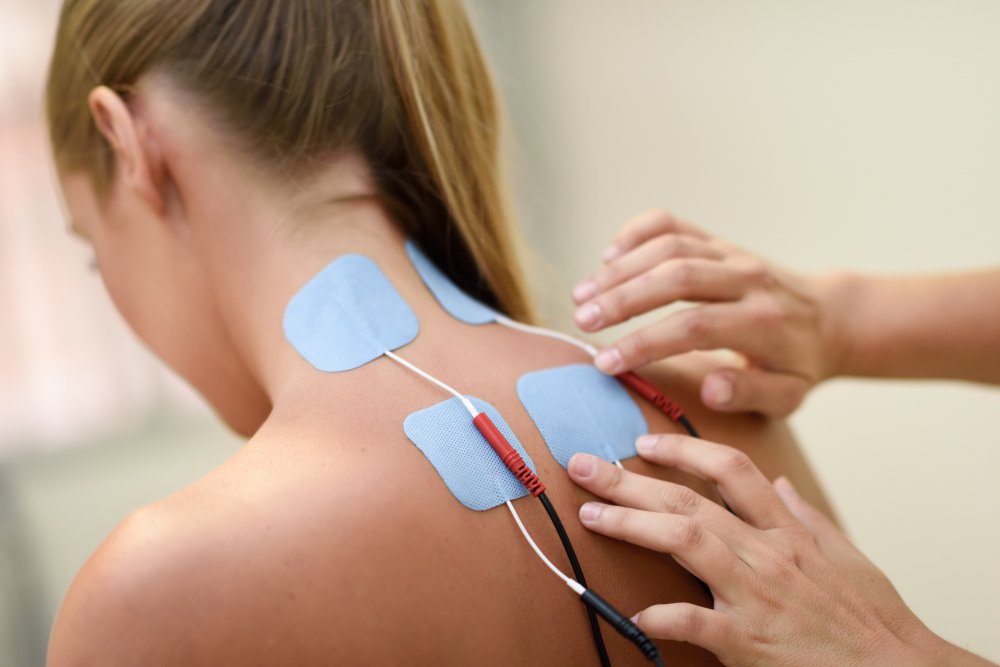
Such methods of electrotherapy including,ROBOTICSPINAL DECOMPRESSION THERAPY,ACOUSTIC THERAPY,LASER THERAPY, etc. can be very helpful in reducing inflammation and intensity of pain and this is always the personalized physiotherapy plan depending on the patient condition.

The ROBOTIC SPINAL DECOMPRESSION therapy enhances back movement and postures.Robotic spinal decompression therapy helps in restoring the natural spinal movements.Roboticspinal decompression therapy, Acoustic therapy and laser therapy is a combination of technology and Physiotherapy for greater results. This spinal mobilisation is automated, and is supported by this back therapy, which enhances quicker recovery.

Manual therapy of back ache gives quick relief of muscle spasms.Manual therapy of back pain is effective in creating more flexibility in the lower back,manual therapy of back ache is most effective in combination with strengthening exercises.

Is physiotherapy a permanent treatment of back pains?

Depending on the cause of the pain on the back,the Right PHYSIOTHERAPY routine can result in full recovery,though the cure will be long-term,even permanent based on whether the patient will continue the exercise and adhere to proper posture.

Treatment of lower back stiffness can be used to relax tight muscles.this type of treatment enhances day-to-day mobility and flexibility.lower back stiffness treatment assists in relieving the tension around the spine.This form of treatment provides a rapid remedy through physiotherapy.