The arrival of the monsoon season is a boon for getting rid of the summer heat. While for many, it is an increase in back pain, stiffness and nerve symptoms. Increased humidity, changes in air pressure, lack of physical activity, and sitting for extended periods indoors can exacerbate spinal issues, particularly during periods of change or extended rest. When going through a change or spending too much time in bed, the increased humidity, atmospheric pressure changes, lack of physical activity, and time spent sitting inside can make existing spinal issues worse. These people suffer from slipped disc, sciatica, chronic low back pain, spinal degeneration and postural problems and generally tend to experience a worsening of their symptoms during the rainy season.
Physiofitguru, Mulund West, is a clinic where, during the monsoons, the number of patients seeking help with back and leg pain increases. Our team, having properly treated more than 90,000 patients over the last 14 years, knows that every patient’s pain is different and needs a customised rehabilitation. The first step is to determine the cause of the problem and develop a plan to achieve long-term recovery and healthy spines for the patient, instead of simply treating the symptoms.
Why Does Back Pain Worsen During Monsoon?
Many people suffering from pain actually say that their pain increases when the weather changes to damp and humid. Although there is no fully confirmed connection between weather and pain, it seems that the next thing that can increase pain is what comes next:
- Less activity may cause muscles to become stiff.
- Barometric pressure can cause joints and tissues to be affected.
- Muscles tend to tighten up in colder and wetter weather.
- People who work at home and are indoors for extended periods of time tend to have poor posture.
- Individuals who have back problems that are clearly affecting them at this time.
This is when those with disc problems, such as arthritis, sciatica and chronic low back pain, are at greatest risk.
Understanding Spinal Decompression Therapy
At Physiofitguru, Robotic Spinal Decompression Therapy is one of the highly advanced treatments we provide. It’s a non-invasive treatment and is ideal for people suffering from slipped discs, disc bulges, sciatica, lower back pain, and chronic pain who want to avoid painkillers. This type of therapy gently stretches the spine in a highly controlled and accurate manner using a computer-controlled robotic system. This creates negative pressure in the affected discs.
The decompression process will not only relieve pressure on over-stretched nerves but will also help the circulation of oxygen, nutrients and healing fluids being circulated to spinal discs. Unlike surgery, spinal decompression is a non-surgical procedure that lets you have a treatment session in a comfortable and relaxed manner, without any surgical procedure.
How Does Spinal Decompression Help a Slipped Disc?
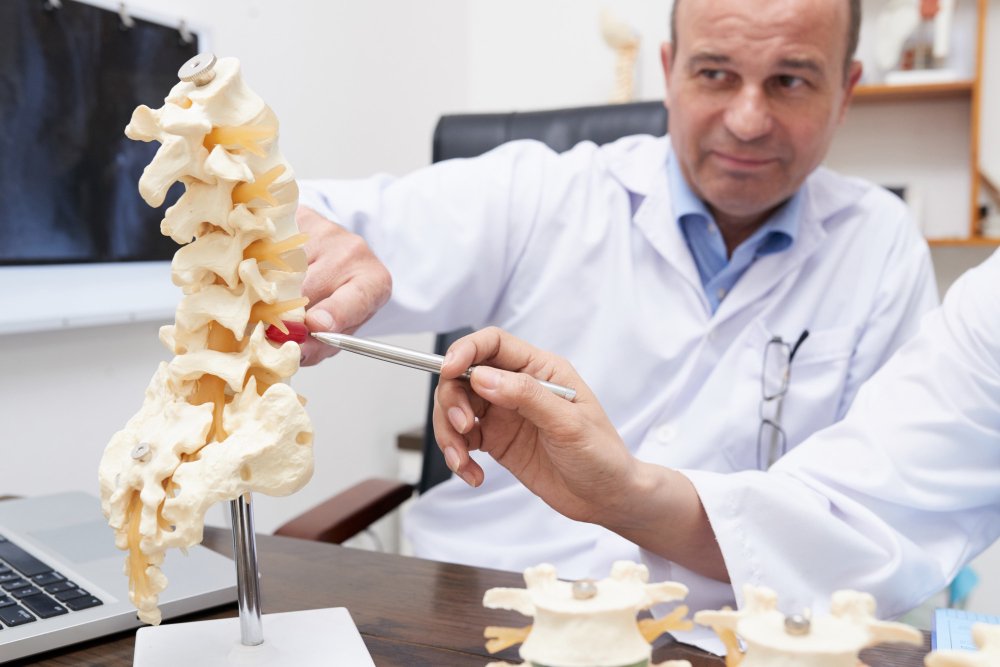
A slipped disc (also known as a herniated or prolapsed disc) is when the soft, inner part of the disc has pushed through the stiffer outer part. This can cause the compression of the surrounding nerves and result in symptoms like:
• Lower back pain
• Leg pain
• Numbness
• Tingling sensations
• Muscle weakness
Gentle distraction forces during spinal decompression sessions help to make room between the vertebrae. Due to this decrease in pressure, the protruding disc material may be pulled back a bit away from the nerve irritations. Most people experience significant improvement in pain and mobility as the compression of the nerve decreases.
Nutrient flow in the disc is enhanced, not only making the disc’s chemical environment healthier, but also triggering the body’s healing process, which can help to heal the damaged tissues significantly better over time.
How Does Spinal Decompression Help Sciatica?
Sciatica is a condition characterised by pain that extends down the sciatic nerve, which often starts in the lower back and extends through the buttocks and down the leg. Common causes include:
• Herniated discs
• Disc bulges
• Spinal stenosis
• Degenerative disc disease
• Nerve root compression
Sharp, burning, or shooting pain may be felt when a compressed nerve root from the spine is involved with the sciatic nerve.
The idea behind robotic spinal decompression is to relieve this pressure by carefully separating the vertebrae in the spine. Once the nerve irritation subsides, patients tend to experience relief from the radiating leg pain, numbness, tingling and muscle tightness. People who have had chronic sciatica, they may discover that physiotherapy exercises and decompression therapy can go together and be very helpful in improving their function and their quality of life.
Conditions We Commonly Treat
Physiofitguru have a wide range of skills in various health conditions relating to the spine and musculoskeletal system, such as:
- Acute back pain and chronic back pain.Low back pain, acute and chronic.
- A very common problem is a slipped disc (also known as disc prolapse).
- Disc bulge
- Sciatica
- Spondylosis of the neck and low back.
- Degenerative disc disease
- Facet joint dysfunction
- Postural back pain
- Spinal stiffness
- Neck pain
- Sports-related spinal injuries
- Post-operative rehabilitation
- Work-related musculoskeletal disorders
A thorough evaluation of all patients before treatment. This enables us to determine any factors that may be causing the problem, including posture, muscle imbalances, movement dysfunction, restricted flexibility and lifestyle habits.
Our Comprehensive Rehabilitation Approach
We at Physiofitguru know that getting better from an injury isn’t just about treatment – it’s about being involved in the treatment. Advanced technologies like Robotic Spinal Decompression can give you a lot of pain relief, but long-term success will require the recovery of strength, mobility and function.
A comprehensive clinical evaluation is the first step of our treatment process. Based on our findings, we create an individual rehabilitation plan which can involve:
- Robotic Spinal Decompression Therapy
- Manual Therapy
- Electrotherapy Modalities
- Ultrasound Therapy
- Interferential Therapy (IFT)
- TENS Therapy
- Laser Therapy
- Shockwave Therapy
- Postural Correction
- Core Strengthening
- Flexibility Training
- Functional Rehabilitation
Patients gradually move to our fully equipped medical gym as pain becomes less and mobility becomes greater, and structured strengthening and conditioning programs are added. These exercises promote spinal stability, lower risk of recurrence and facilitate a smooth return to daily functioning.
Why Combine Technology with Exercise?
Exercise has long been proven to be one of the best ways to manage back pain. There is a place for advanced modalities to reduce pain and aid the healing process, but strengthening weak muscles and improving movement patterns are key to long-term improvement.
Patients typically see the following results from spinal decompression and targeted rehab exercises:
- Faster pain reduction
- Improved mobility
- Better spinal stability
- Enhanced muscle strength
- Lessened recurrence of symptoms
- Improved mobility confidence.
This comprehensive method can greatly reduce recovery periods and reduce the need for invasive procedures, as appropriate, when recovering from trauma.
A Patient-Centred Care
Rehabilitation entails so much more than just physical therapy. Involves a thorough knowledge of the problems and reasons for recovery of each individual. For this reason, at Physiofitguru, we look at the person on all levels and centre our treatment on the person. Other than collecting symptoms, we also find out our fears, our challenges, our opportunities and all those wonderful expectations around the treatment. Our goal is always to keep the patient at the core of the whole process, and therapy is carried out as per their needs.
If a patient is suffering from sciatica, for example, and can’t walk properly, our therapeutic programs will be developed in such a way that these patients will be able to walk without pain again. But if difficulty exists in sitting for a long period at your work, it will be taken care of so that you won’t find it difficult to stay sitting at your work for a long time. In fact, our rehabilitation plans are based on patients’ daily lives and comfort levels, and so simple activities of the day are easy for them without any presence of discomfort.
We are not aware of how much our lives can be affected by this pain triggered by the monsoons, and how we stop doing things which we love the most. Despite all this, the latest physiotherapy methods can provide the most up-to-date therapies and treatments without surgery, which will help to relieve one’s pain and get back to good health. The combination of Robotic Spinal Decompression Therapy with the personal touch of our Physiotherapist, customised rehabilitation, and gradually changing strengthening exercises is actually a very good source of pain relief for many individuals.
At our centre, we try to take the elements of research-driven physiotherapy and rehabilitation programs tailored to individual needs and a close understanding of the patient, so that every patient can move better, feel stronger and live a healthy life without pain. Within the last 14 years alone, we have treated 90,000 patients.